In a world where sleek design, space-saving technology, and powerful performance matter more than ever, best mini PCs have risen to prominence. These tiny computers pack desktop-level performance into compact chassis that can fit in the palm of your hand or behind your monitor. Whether you’re building a home office setup, editing content, gaming on the go, or even experimenting with AI workloads, a mini PC offers a compelling alternative to traditional desktop towers.
Why Choose a Mini PC?
Mini PCs blend portability, energy efficiency, and solid performance in a small form factor. Unlike laptops, they are usually more upgrade-friendly, easier to cool, and can drive multiple high-resolution displays. Common benefits include:
- Space-saving design: Great for small offices, apartments, or minimalist setups.
- Lower power consumption: Good for eco-conscious users and reduces electricity bills.
- Flexible usage: From everyday office tasks to creative work and even light gaming.
However, not all mini PCs are created equal. Some prioritize value and everyday performance, while others target professionals, content creators, or gamers with beefier specs.
Top Mini PC Picks for 2025–2026
Here are some of the most recommended mini PCs across different use cases:
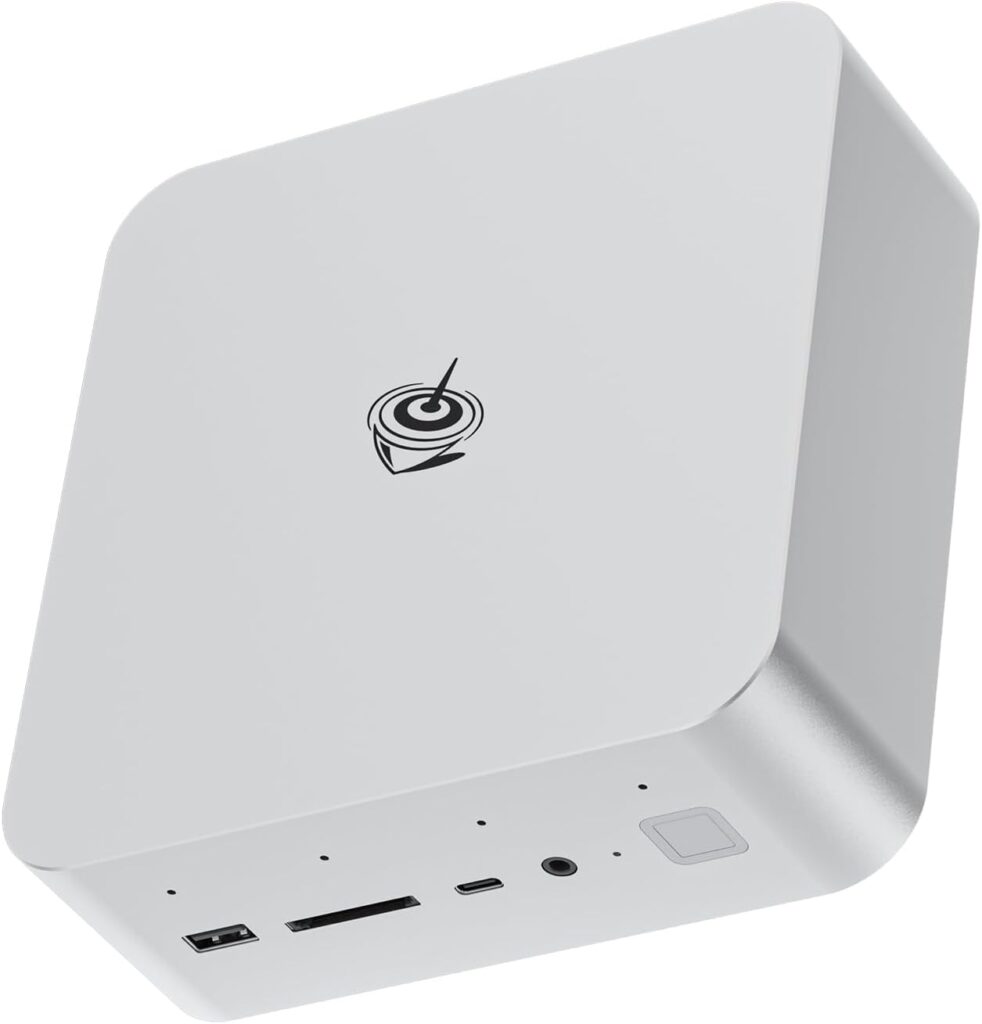
1. Beelink GTi13 Mini PC
The Beelink GTi13 Mini PC continues to lead as the best all-around mini PC. With Beelink GTi13 Mini PC, it delivers excellent performance for everyday tasks, content creation, and productivity. Multiple Thunderbolt ports and solid memory support make it an excellent choice for creative users invested in the ecosystem. However, it isn’t ideal for high-end gaming.
Best for: Content creators, everyday users.
2. Intel NUC 13 Pro Best for Productivity & Office Work
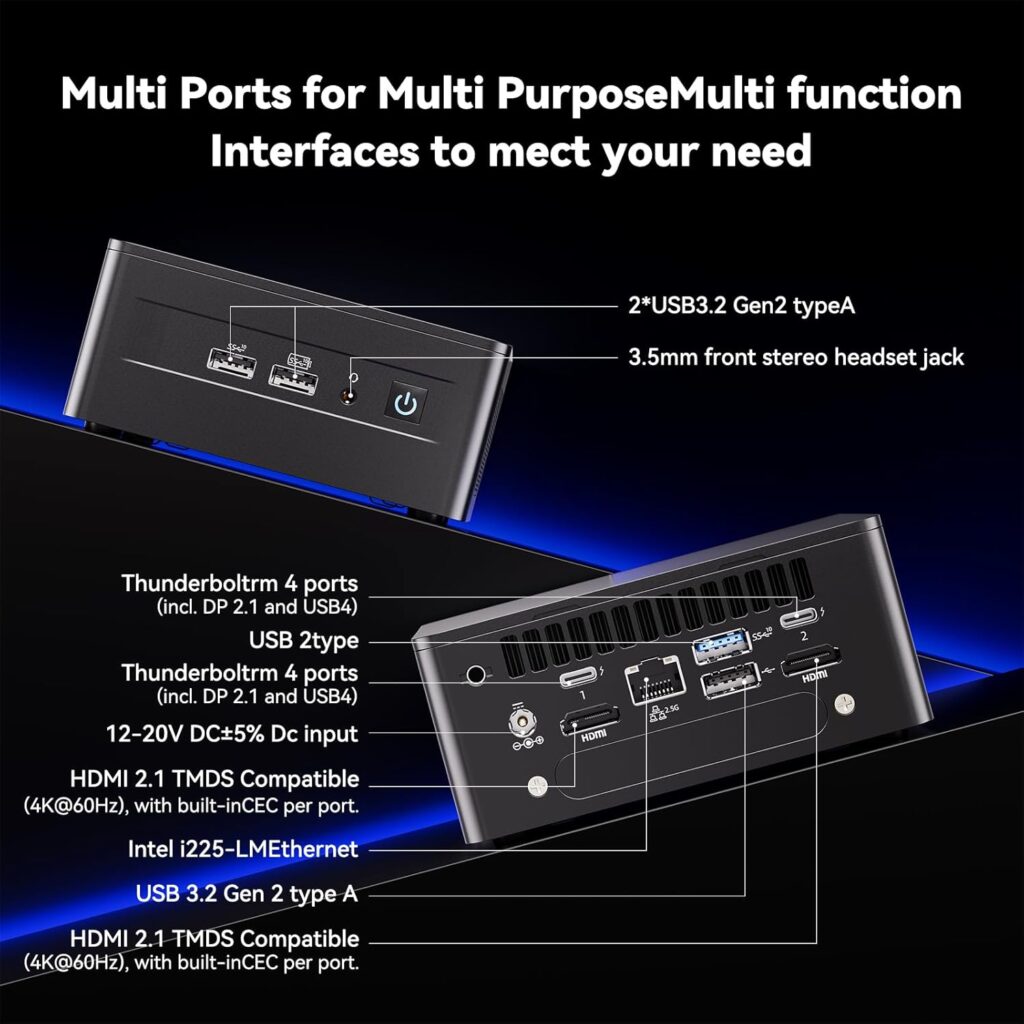
Intel’s renowned NUC line has always been a solid choice. The Intel NUC 13 Pro, powered by Core i7 processors and supporting up to 64GB RAM, is perfect for multitasking, office workloads, and dual-display setups. With strong Windows compatibility and reliability, it remains a favorite for business users.
Best for: Business use, multitasking, productivity.
3. Beelink SER9 Pro — Best Value Mini PC
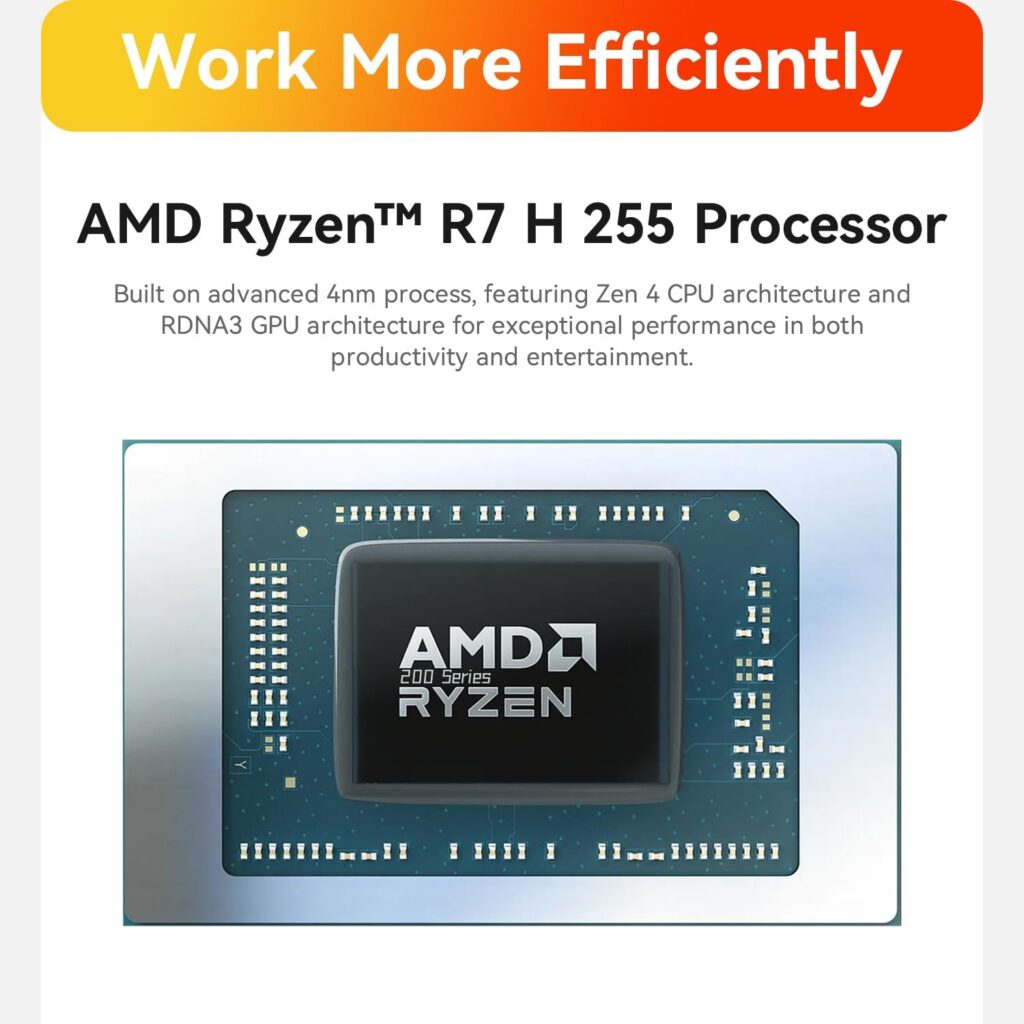
Beelink models often strike the best balance between price and performance. The Beelink SER9 Pro series combines AMD Ryzen processors, solid memory options, and flexible storage, making them capable for both home and office environments at a competitive price point.
Best for: Budget-friendly users, general computing.
4. Geekom A9 Max — Best Windows Powerhouse
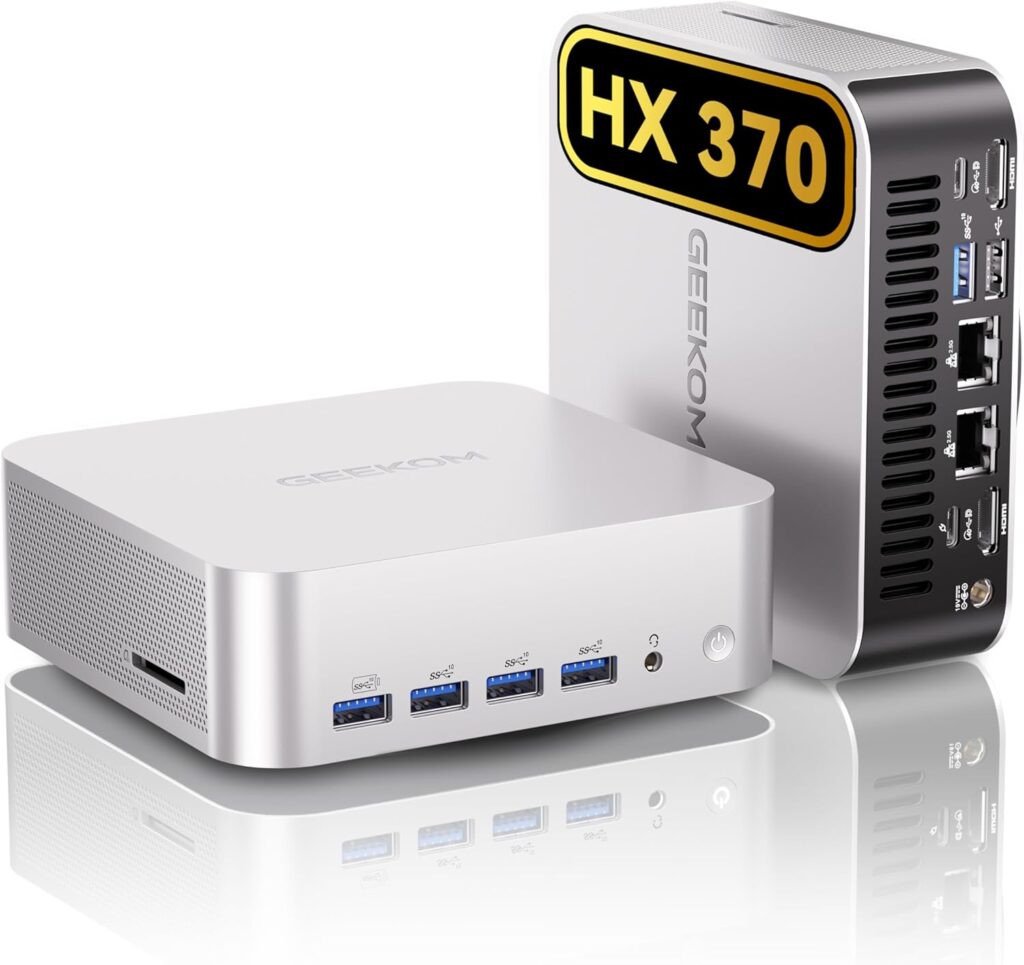
For those seeking Windows performance with plenty of AI and graphics power, the Geekom A9 Max is a standout. It pairs an AMD Ryzen AI-centric CPU with strong multitasking and graphics performance great if you do creative work, heavy multitasking, or need multiple displays.
Best for: Professionals, power users, AI workloads.
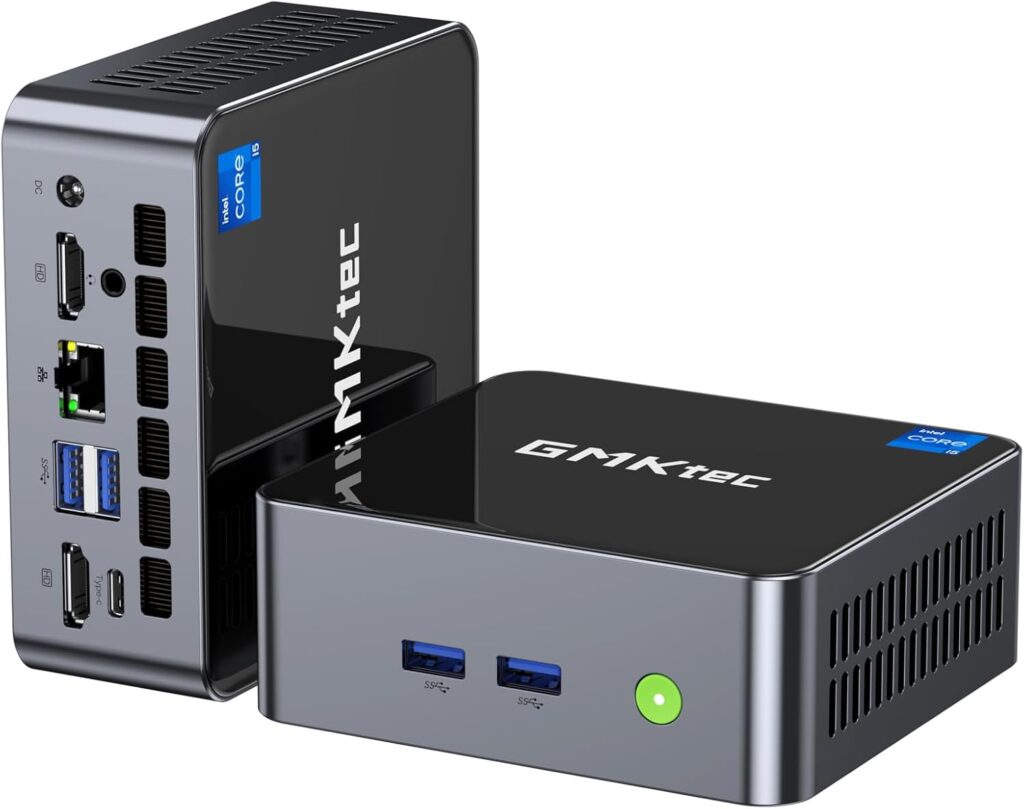
5. GMKtec NucBox Series — Best Compact All-Rounder
GMKtec’s NucBox series, like the M5 Plus, offers excellent value in a tiny chassis. These systems usually have Ryzen or Intel CPUs, several USB/Display outputs, and expandable RAM and storage. They’re ideal for daily computing and even some gaming or video streaming.
Best for: Everyday computing, compact setups, media tasks.
Emerging Trends in Mini PCs (2025/2026)
The mini PC market is evolving rapidly:
AI-Focused Designs
New AI-centric mini PCs with NPUs (Neural Processing Units) are emerging, making them particularly suited for generative AI applications and machine learning at the edge. These devices combine compact form with specialized processing power, enabling developers or power users to run AI workloads locally without cloud dependency.
Hybrid Form Factors
Innovative designs like keyboard-integrated mini PCs or unique form factor PCs blur the lines between laptops and desktops, offering flexibility for hybrid work environments.
ARM-Based Mini PCs
ARM-based mini PCs are gaining traction with energy efficiency and potential for GPU expansion, signaling diverse future options beyond traditional x86 platforms.
How to Choose the Right Mini PC
Before selecting a mini PC, consider the following:
1. Purpose & Workload
- Office & web tasks: More modest specs will suffice.
- Creative work: Prioritize CPU power, RAM, and Thunderbolt/USB-C connectivity.
- Gaming: Look for models with discrete graphics or eGPU support.
2. Processor Type
AMD Ryzen and Intel Core chips dominate Windows systems, each with strengths for gaming or professional loads. Apple’s M-series shines in optimized macOS workflows.
3. Expandability
Some mini PCs allow RAM or storage upgrades, while others are fixed — consider your future needs.
4. Ports & Connectivity
Ensure enough USB, HDMI/DisplayPort, networking (Ethernet/Wi-Fi), and Thunderbolt options for your peripherals and displays.
5. Warranty & Support
Reliable warranty and good after-sales support can save headaches, especially with hardware that’s less mainstream.
Conclusion
The mini PC category continues to expand with versatile options designed for every type of user. From the sleek Apple Mac mini (M4) for creatives to powerful Windows-based systems like the Intel NUC 13 Pro and Geekom A9 Max, there’s a mini PC for almost every need. Whether you’re looking for value, performance, or cutting-edge AI features, today’s mini PCs prove that size doesn’t always dictate power.